It’s Not Just Semantics — The Mold vs. Mildew Confusion Could Cost You
If you live in a storm-prone, humid region — like much of the Southeastern U.S., including parts of Florida, Texas, and the Gulf Coast — you’ve likely seen suspicious spots on ceilings, bathroom tiles, or behind appliances.
You think, “It’s probably just mildew.” But what if it’s not?
Confusing mold with mildew can lead to health risks, structural damage, insurance complications, and major repair costs. Let’s break down the difference and explain exactly what to do when you spot either.
What Is Mildew?
Mildew is a type of surface fungus that typically appears as:
- White, gray, or yellowish patches
- Flat, powdery, or fluffy texture
- Found on moisture-prone surfaces: shower walls, windows, tiles, fabrics, or bathroom grout
- Easy to clean with household cleaners
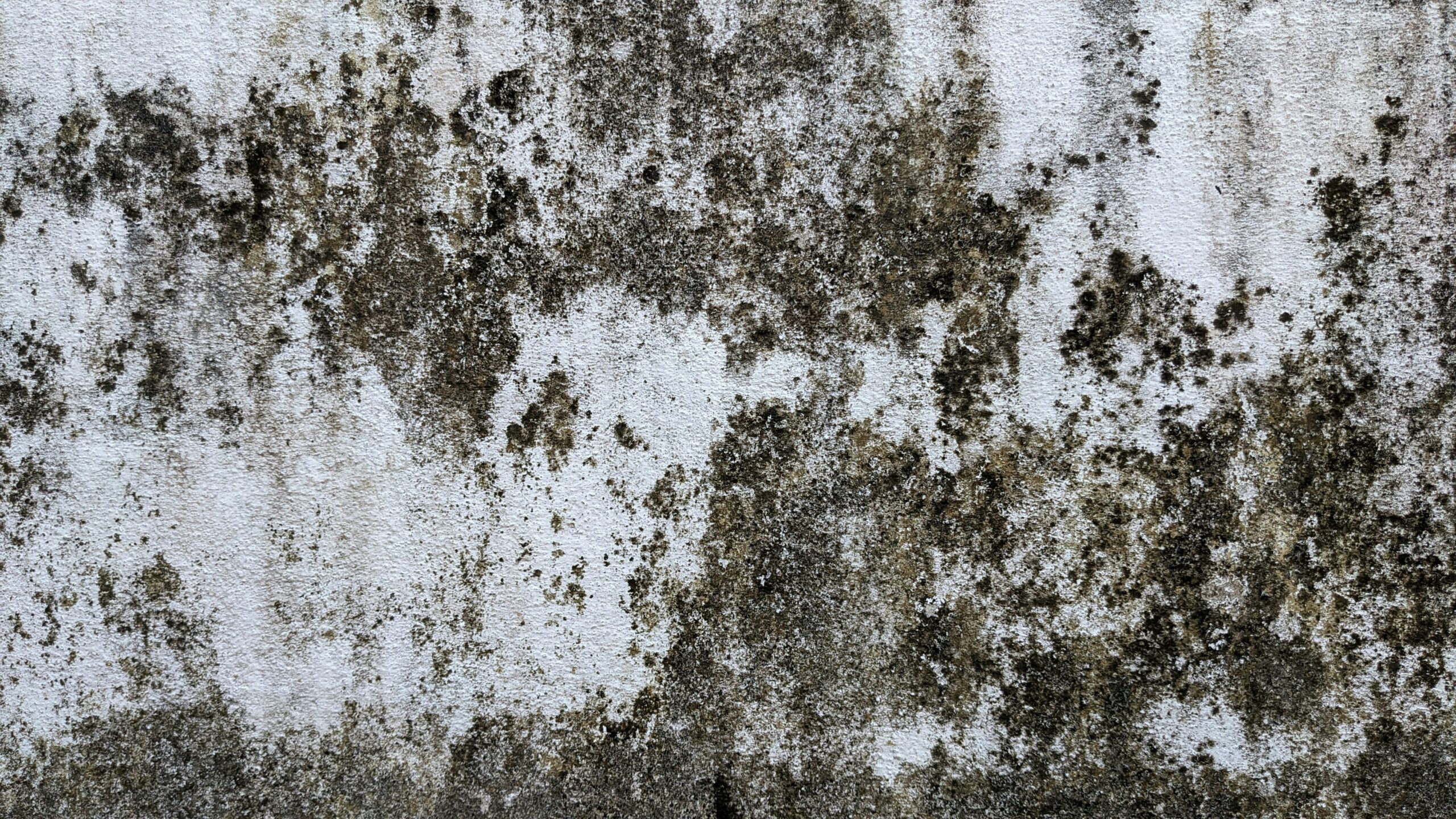
Health impact: Mild. Usually causes surface irritation or musty odors but rarely leads to serious health issues.
What Is Mold?
Mold is a broader category of fungi that:
- Appears in dark colors: black, green, brown, or even orange with a fuzzy, slimy, or even textured appearance
- Can grow deep into porous materials like drywall, wood, carpet, and insulation
- Thrives in hidden, moist areas — behind walls, under flooring, in HVAC systems
- Much more destructive — can rot wood, drywall, and insulation, and impact indoor air quality.
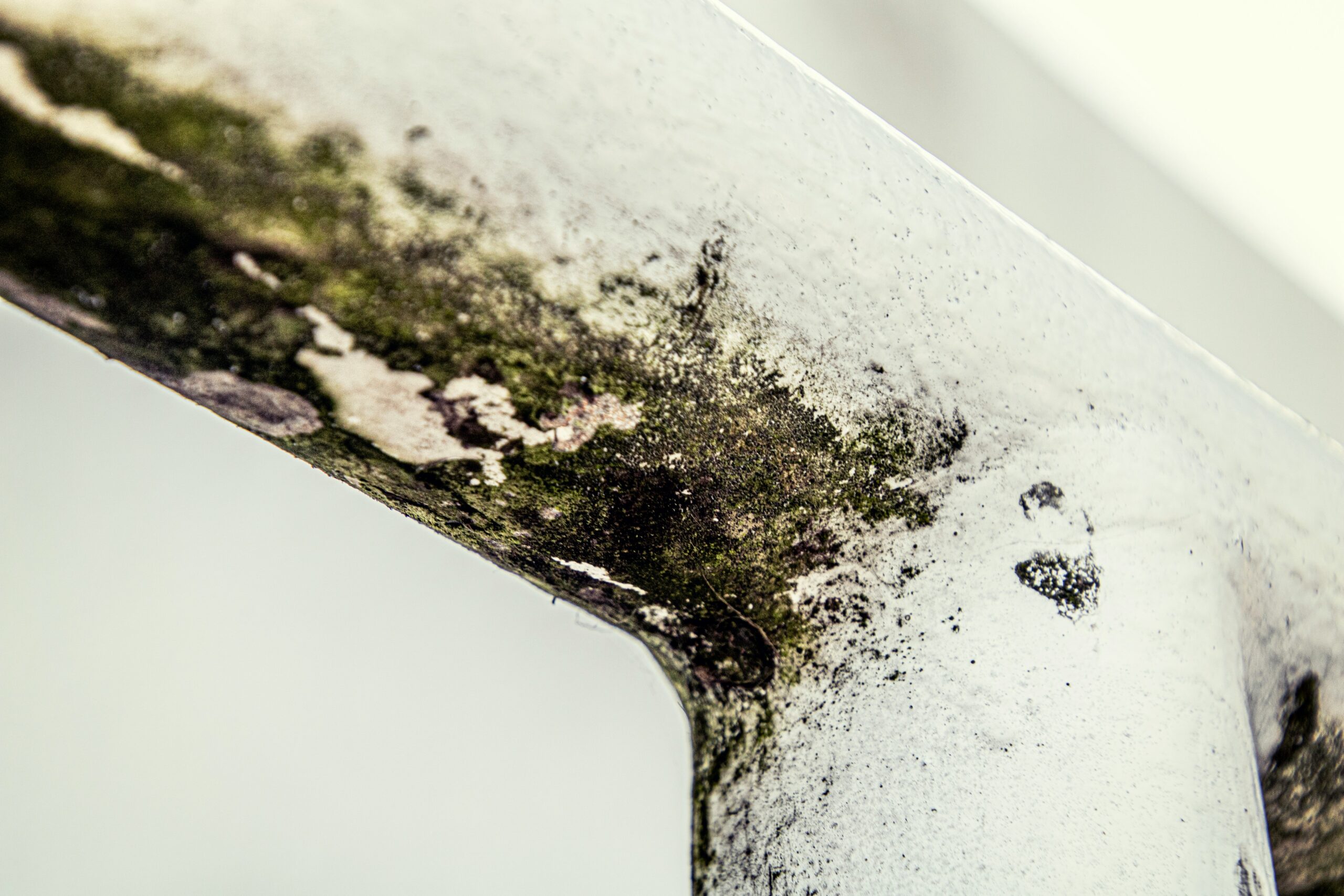
Health impact: Serious. Can cause allergic reactions, asthma flare-ups, skin irritation, headaches, and respiratory issues — especially in kids, seniors, and those with compromised immune systems.
According to the CDC’s mold guidance, prolonged exposure can also worsen chronic respiratory conditions.
Mold vs. Mildew: Know the Difference
Feature | Mildew | Mold |
Color | White, gray, yellow | Black, green, brown, dark colors |
Texture | Powdery, flat, surface-level | Fuzzy, slimy, deep-set |
Growth Area | Shower tiles, fabric, windowsills | Behind walls, under floors, HVAC, wood |
Health Risk | Low – mainly odors & minor irritation | Moderate to high – respiratory, allergic, toxic symptoms |
Removal | DIY possible with store-bought cleaners | Professional remediation required |
Damage Risk | Cosmetic only | Can rot wood, destroy drywall, damage insulation, devalue home |
Why It Matters in Storm-Prone, Humid Regions
In humid areas like the South and Southeast U.S., a small roof leak or improperly vented bathroom can create ideal conditions for mold. Mildew might be what you see, but mold could be what’s hiding beneath.
Add in flood risk or wind-driven rain from hurricanes, and many homeowners in these areas unknowingly delay remediation because they misidentify the problem.
Delaying mold treatment = costly reconstruction.
Can Mildew Turn Into Mold?
Not exactly — they’re separate fungi types. But they can co-exist, and mildew can be a warning sign that excess moisture is present, creating conditions where mold can easily form nearby or behind the surface.
What To Do If You’re Not Sure
Here’s your decision-making cheat sheet:
- Dark growth, strong odor, or found behind a wall or vent? Call a professional immediately.
- Recurring spots that keep coming back? Likely moisture problem behind the surface. Call a professional immediately.
- Health symptoms or allergy flare-ups? Don't risk it — call a professional and have your air and surfaces tested.
Entrusted’s Mold Experts: Here When It’s More Than Just Mildew
Entrusted specializes in mold inspection, remediation, and complete restoration in humid, storm-exposed areas across the Southern U.S. Whether it’s hurricane aftermath or unnoticed AC condensation, we’ll help you:
- Identify the cause
- Stop further growth
- Remove affected materials safely
- Work with your insurance
- Restore your home quickly
Not sure if it’s mold or mildew?
We’ll inspect (free consultation), test, and give you a clear remediation plan.