
Water damage restoration typically takes anywhere from a few days to several weeks, depending on how quickly mitigation begins, how severe the damage is, and what materials are affected. Fast water mitigation is the single biggest factor in shortening the timeline.
When water damage occurs, one of the first questions property owners ask is how long the restoration process will take. While every situation is different, the overall timeline follows a predictable sequence.
This guide explains each phase of water damage restoration, what affects timing, and what you can do to avoid unnecessary delays.
Who This Information Is For
This timeline applies to homes and small properties affected by sudden water damage, such as burst pipes, appliance failures, roof leaks, or accidental overflows. Large-scale commercial properties may require longer timelines due to size, complexity, and permitting.
Typical Water Damage Restoration Timeline Overview
Most residential water damage restoration projects fall within these general ranges:
Water mitigation typically includes:
Minor water damage
Small areas, fast response
3 to 5 days
Moderate water damage
Multiple rooms or delayed response
1 to 2 weeks
Severe water damage
Structural saturation or mold risk
Several weeks
The timeline depends more on moisture conditions than the clock. Drying is complete only when safe moisture levels are confirmed.
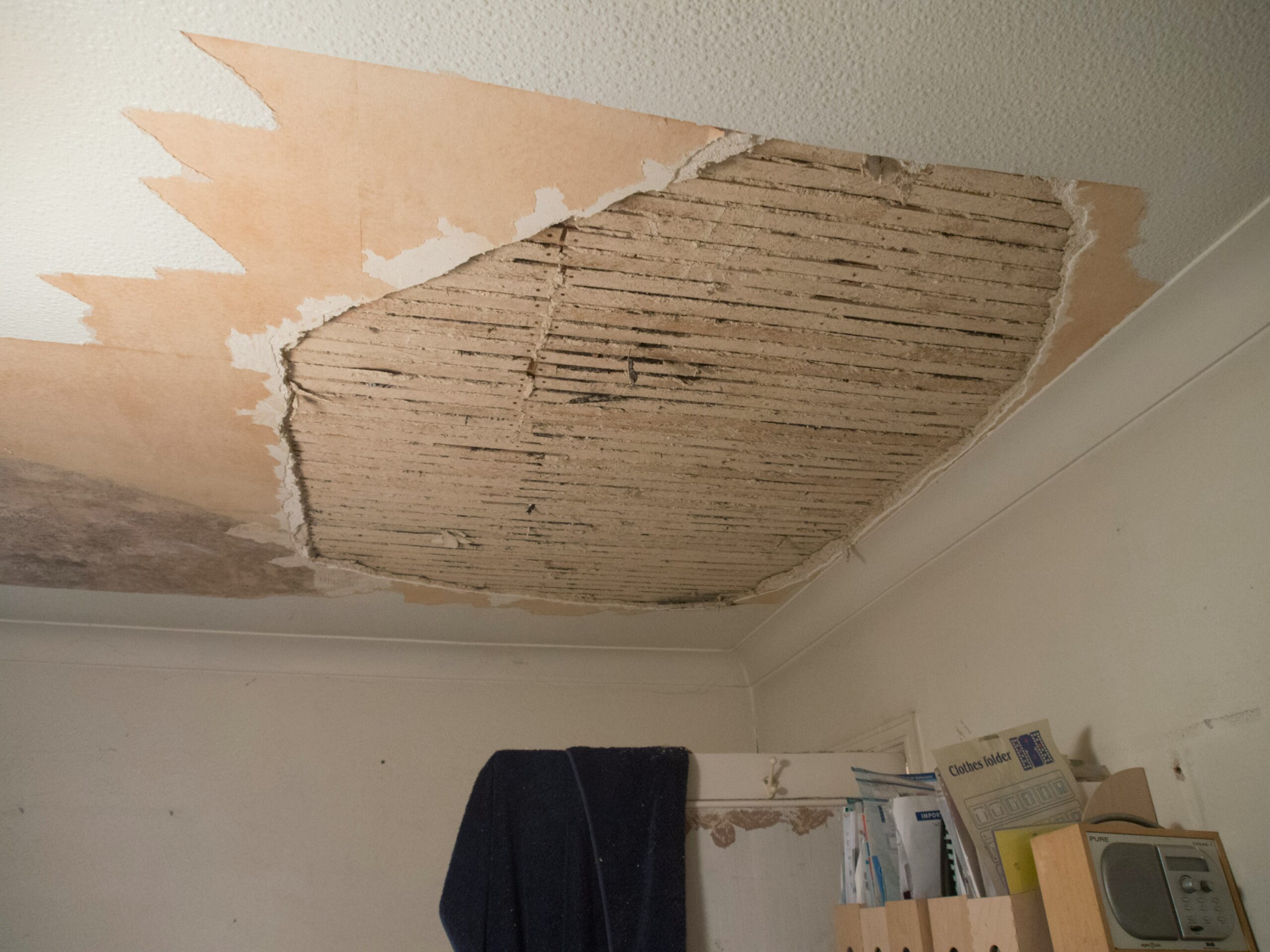
Phase 1: Emergency Water Mitigation (First 24 Hours)
Goal: Stop the damage from spreading and stabilize the property.
What happens during this phase:
• Water source is shut off if needed
• Standing water is extracted
• Moisture mapping identifies affected areas
• Safety checks are performed
Why this phase matters:
Delays in mitigation allow water to spread into walls, flooring, and structural materials, increasing both damage and restoration time.
Professional water mitigation services should begin as soon as possible after water damage is discovered.
Delays can significantly increase damage and restoration work. Learn more about what happens when water damage is not fixed quickly.
Phase 2: Drying and Dehumidification (3 to 7 Days)
This is often the longest and most important phase of the restoration timeline.
What this phase involves:
• Strategic placement of air movers
• Dehumidification to remove moisture from the air
• Moisture monitoring of walls, floors, and framing
• Adjustments to equipment based on daily readings
Drying takes as long as necessary to reach safe moisture levels. Rushing this step can lead to mold growth or future damage.
Phase 3: Cleaning and Sanitization (1 to 3 Days)
Once drying is complete, affected areas are cleaned and sanitized.
Typical tasks include:
• Antimicrobial treatments
• Odor control
• HEPA air filtration if needed
• Removal of unsalvageable materials
This phase ensures the space is safe and ready for repair work.
Restoration timelines can vary depending on the contamination level of the water involved. Learn more about the types of water damage.
Phase 4: Repairs and Restoration (Several Days to Several Weeks)
The final phase restores the property to its pre-damage condition.
Minor repairs may include:
• Drywall replacement
• Painting and trim
• Flooring repairs
More extensive damage may require:
• Structural repairs
• Cabinet or fixture replacement
• Mold remediation if growth occurred
The scope of this phase depends heavily on how effective and timely the mitigation process was.
To better understand why mitigation comes before rebuilding, see our guide on water mitigation vs water damage restoration.
What Can Delay Water Damage Restoration?

Common causes of extended timelines include:
• Delayed mitigation
• Hidden moisture behind walls or floors
• Mold development
• Insurance approval delays
• Extensive material replacement
Many of these delays are preventable with fast professional response.
Insurance approvals and claim documentation can also affect restoration timelines. Learn more about does insurance cover water damage restoration.
How to Speed Up the Restoration Timeline
Steps property owners can take:
• Shut off the water source immediately
• Avoid using affected areas
• Document damage early
• Contact a professional mitigation team right away
Early action often reduces both restoration time and total cost.
When Is Restoration Considered Complete?
Restoration is complete when:
• Moisture levels are confirmed safe
• Cleaning and sanitization are finished
• Repairs are complete
• The space is safe for occupancy
Partial use of unaffected areas may be possible during later stages of restoration.
Why Professional Water Mitigation Matters
DIY cleanup rarely addresses moisture hidden behind walls or under flooring. Professional mitigation uses specialized equipment to detect and remove moisture that is not visible to the eye.
Without professional mitigation, lingering moisture can cause:
• Mold growth
• Odors
• Structural damage
• Costly future repairs
Professional mitigation protects both the property and the long-term investment.

Get Help Before Water Damage Gets Worse
Water damage restoration timelines vary, but fast action always makes a difference. Immediate professional mitigation can prevent damage from spreading and shorten the overall restoration process.
Call Entrusted 24/7 at [561-966-0765] or request help online.
Delays cost time. Fast action saves it.