
Water damage is classified into three categories: clean water, gray water, and black water. Each type carries different health risks, restoration requirements, and cost implications. Knowing the category helps determine how quickly professional water mitigation is needed.
Not all water damage is the same. The source and contamination level of the water play a major role in how damage is handled, how long restoration takes, and what the final cost may be.
This guide breaks down the three categories of water damage and explains why fast mitigation matters in every case.
Who This Information Is For
This guide is for homeowners and property managers dealing with sudden water damage from leaks, overflows, appliance failures, or sewage backups. Understanding the type of water involved helps you take the right action immediately.
Category 1: Clean Water Damage
Clean water damage comes from a sanitary source and poses no immediate health risk when first released.
Common sources include:
• Burst water supply lines
• Leaking faucets or valves
• Rainwater entering through a roof leak
• Appliance supply line failures
Although clean water is the least hazardous, it does not stay clean for long. Once water contacts building materials, it can quickly deteriorate into a higher-risk category.
Fast water mitigation services can often dry and restore materials affected by clean water without extensive demolition.
Category 2: Gray Water Damage
Gray water contains contaminants that may cause illness if ingested or touched.
Common sources include:
• Washing machine discharge
• Dishwasher leaks
• Toilet overflows without solid waste
• Sump pump failures
Gray water damage requires more caution and specialized cleaning. Porous materials may need to be removed depending on saturation levels and exposure time.
Delaying mitigation increases the risk of bacterial growth and further contamination.
Category 3: Black Water Damage
Black water is highly contaminated and poses serious health risks.
Common sources include:
• Sewage backups
• Flooding from external sources
• Storm surge water
• Toilet overflows with solid waste
Black water damage requires strict safety protocols, specialized equipment, and extensive removal of affected materials. Restoration timelines and costs are typically much higher.
Immediate professional mitigation is critical in black water situations.
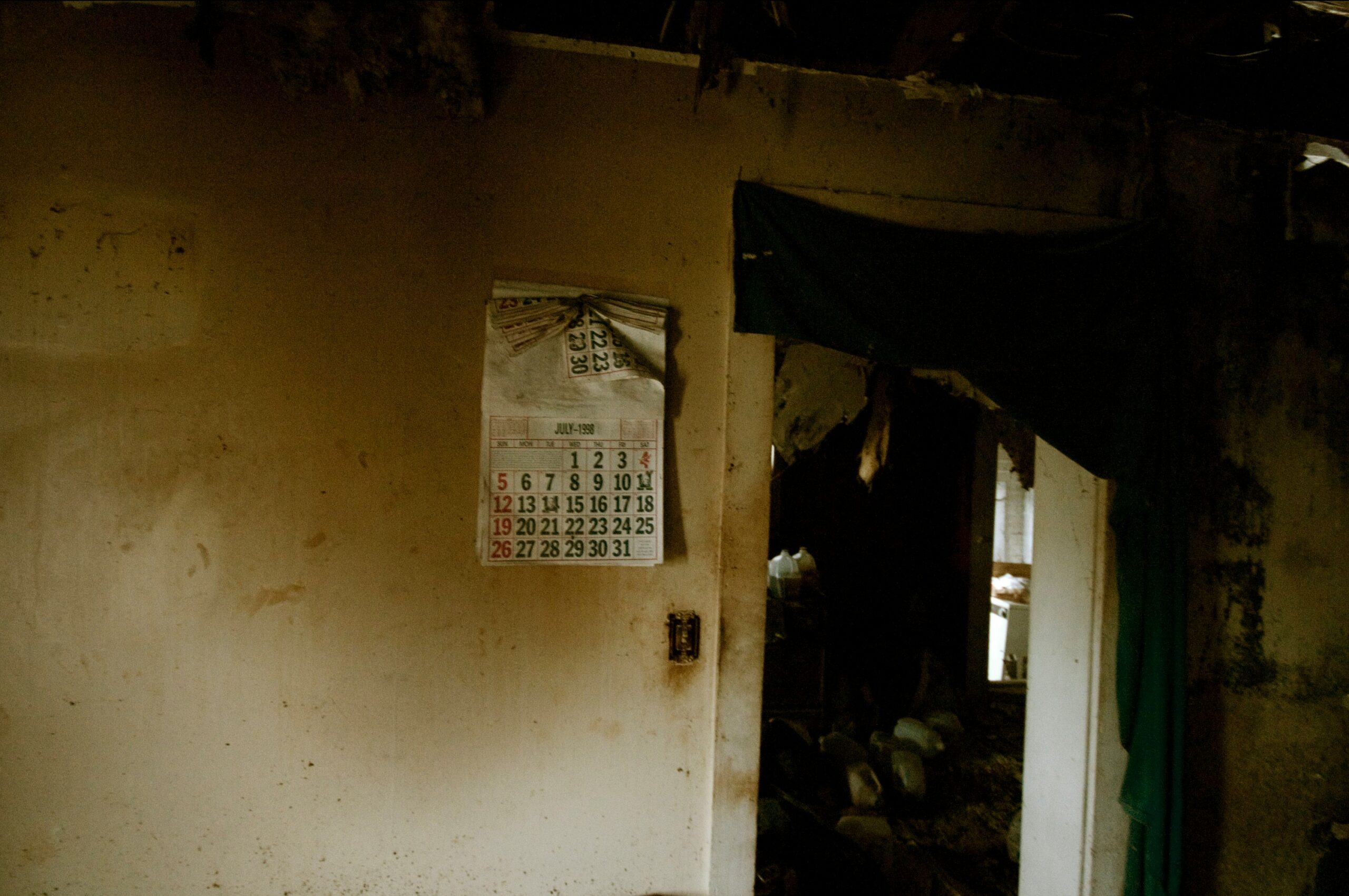
How Water Categories Affect Restoration Cost and Timeline
The category of water damage directly impacts:
• Safety procedures
• Equipment requirements
• Material removal
• Drying time
• Overall restoration cost
Clean water incidents may be resolved quickly with minimal repairs, while black water damage often involves demolition and extended reconstruction.
To better understand the restoration process after mitigation, see our guide on how long water damage restoration takes.
Why Water Damage Categories Can Change Quickly
Water damage categories are not static.
Clean water can become gray or black water due to:
• Extended exposure time
• Contact with insulation, drywall, or flooring
• Bacterial growth in warm or humid conditions
This is why fast mitigation is essential, even in seemingly minor water damage situations.
Delays can quickly escalate contamination and structural damage. Learn more about what happens when water damage is not fixed quickly.
How Water Mitigation Reduces Risk Across All Categories
Water mitigation focuses on stopping water intrusion and controlling moisture before damage escalates.
Effective mitigation:
• Limits contamination spread
• Reduces health risks
• Prevents category escalation
• Shortens restoration timelines
Professional mitigation protects both the structure and the occupants of the property.
Learn more about the difference between stopping water damage and repairing it in our guide on water mitigation vs water damage restoration.
What To Do If You Are Unsure of the Water Type
If you are unsure whether water damage is clean, gray, or black:
• Avoid contact with standing water
• Do not attempt DIY cleanup
• Contact a professional mitigation company immediately
Proper assessment ensures safe and effective restoration.
Insurance coverage may also depend on the type of water involved. Learn more about does insurance cover water damage restoration.
Why Professional Water Mitigation Is Critical
DIY cleanup often fails to address moisture hidden behind walls or beneath flooring. Professional mitigation uses specialized equipment to detect and remove moisture that is not visible.
Without proper mitigation:
• Mold growth becomes more likely
• Structural damage worsens
• Claims may be partially denied
• Restoration costs increase
Professional water mitigation protects both the property and the claim.

Get Help Before Water Damage Escalates
Understanding the type of water damage helps explain why fast action matters. Regardless of category, delaying mitigation increases risk, cost, and repair time.
Entrusted provides 24/7 emergency water mitigation services to assess damage, control moisture, and prevent further loss.
Call Entrusted 24/7 at [561-966-0765] or request help online.
Early response limits damage. Waiting makes it worse.