
A pipe lets go under the sink, a water heater fails, or a hose splits. Within minutes, water spreads across the floor and soaks into everything it touches.
Emergency water removal is the fast extraction of that standing water and the start of structural drying. In Florida, the clock matters more than almost anywhere else. High humidity most of the year means mold can start growing on wet materials in as little as 24 to 48 hours.
The right first move is simple. Stop the water at the source if you can do it safely. Then get a restoration crew on the way to extract and dry today, not next week.
The hard part is that water does not stay where you can see it. It runs under tile, wicks up into drywall, slides beneath baseboards, and settles into the slab.
By the time the surface looks dry, the materials behind your walls and under your floors still hold moisture. That is exactly where mold takes hold. Acting fast is not about panic. It is about getting ahead of the damage before a one room problem becomes a whole floor problem.
This post covers what emergency water removal means, what to do in the first 24 hours, why Florida makes speed non negotiable, what a professional crew does on site, and what to expect on cost and timeline.
If your emergency started with a burst pipe or storm flooding, the source changes how the cleanup is handled.
What Emergency Water Removal Actually Means
Emergency water removal is the first phase of water damage restoration. A crew pulls out the standing water fast, removes the materials that cannot be saved, and sets up drying equipment to draw moisture out of the structure.
It is not the same thing as fixing the pipe. A plumber repairs the source of the water. A restoration company handles everything the water touched: the floors, walls, cabinets, insulation, and contents.
This trips up a lot of homeowners. After a burst pipe, the instinct is to call a plumber, and you should, because the leak needs to stop. But once the plumber fixes the pipe and leaves, the water is still in your home. That is the work Entrusted Restoration handles.
The faster the extraction and drying start, the more of your home stays salvageable and the lower the final cost tends to run. The recognized industry standard for water damage restoration also sorts water into categories and classes, which describe how clean it is and how far it spread. A clean break caught in hours is a very different job than the same break left for two days.
Your First 24 Hours: What to Do Before the Crew Arrives
If it is safe, shut off the water at the source or the main valve. Then cut power to the affected area at the breaker, because water and electricity together are dangerous. Do not walk into standing water near outlets or appliances until the power is off.
Once the area is safe, limit the spread. Move furniture, rugs, electronics, and valuables out of the wet zone. Lift furniture legs off wet flooring, or set foil or wood blocks under them so the finish does not bleed.
If you have a wet vacuum and the water is clean, start pulling up surface water. Do not put yourself at risk, and do not touch water that may be contaminated from a sewer backup or storm.
Then document everything. Photograph and film the source, the standing water, and every affected room before you move anything. This record matters for your insurance claim. Call your carrier to open a claim, and call a restoration company. When you reach Entrusted, you get a named project manager who walks you through the next steps and updates you through the whole job.
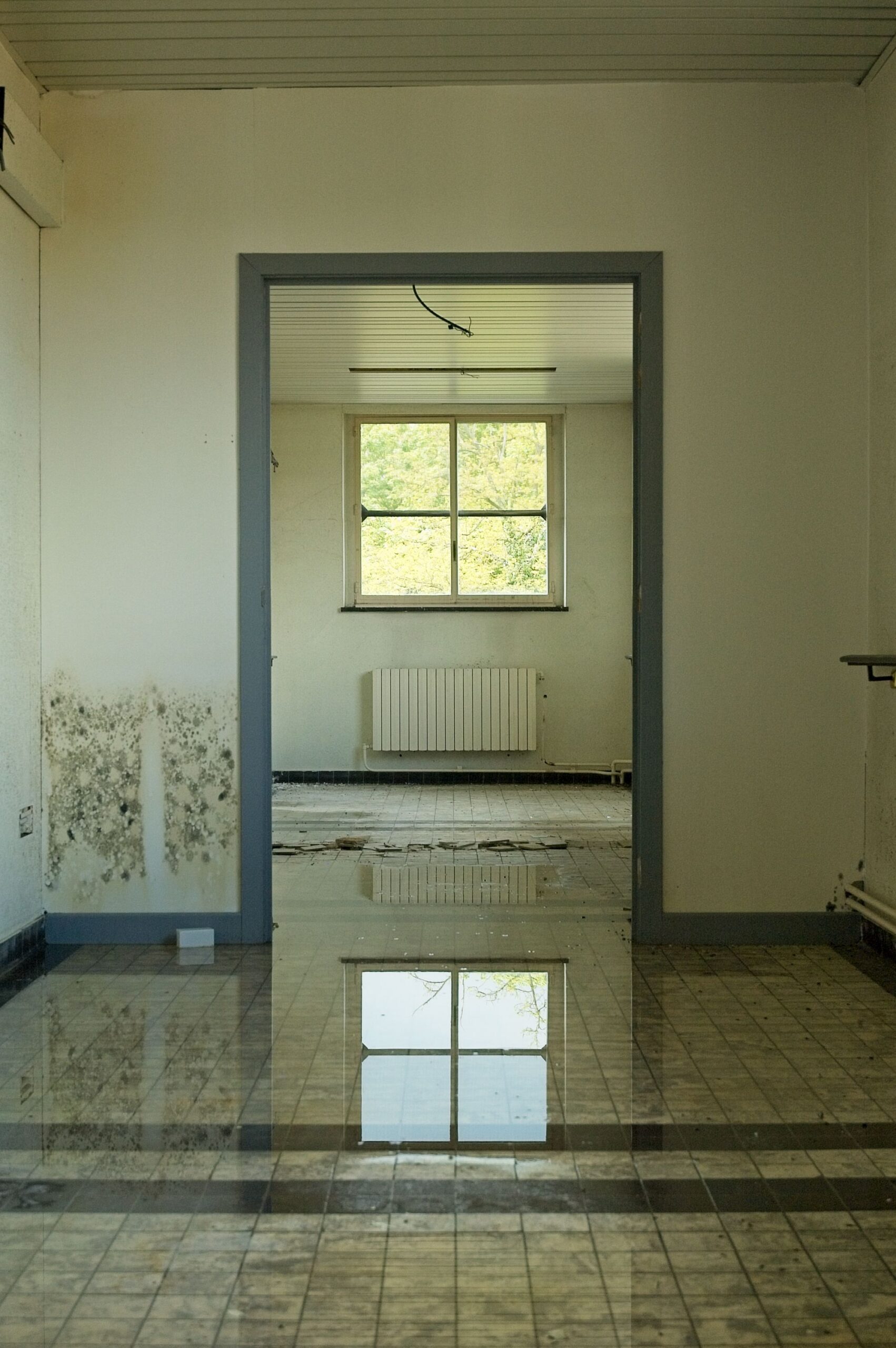
Why Florida Makes Speed Non Negotiable
The same water loss plays out differently here than in a dry climate. Florida humidity often sits at seventy percent or higher, so wet materials do not air dry on their own. Left alone, they stay damp, and damp is all mold needs.
The EPA notes that materials dried within 24 to 48 hours of a leak will in most cases not grow mold. That is exactly why crews here move the way they do.
Construction adds to it. Most Florida homes sit on concrete slabs with tile across the main living areas. Water that reaches that tile does not pool in one spot. It travels under the tile and along the slab, then climbs into drywall and baseboards. A leak that starts in the kitchen can show up as a damp wall in the next room a day later.
Older condos and homes carry another risk: aging supply lines, water heaters, and appliance hoses that fail without warning. The season adds even more. From June through November, storms and heavy rain push water inside through roofs and windows. When that water shows up overhead as a stain or a drip, act on it the same day.
Whatever the source, the response is the same. Extract and dry before the moisture settles in and before mold gets a foothold. In a humid climate, every hour you wait widens the damage.
What Professional Emergency Water Removal Includes
A proper job follows a clear sequence. It starts with inspection and moisture mapping. The crew uses moisture meters, and often thermal imaging, to find where the water actually went, including behind walls and under floors. You cannot dry what you have not found.
Extraction comes next. Truck mounted and portable extractors pull the standing water out fast. The crew removes materials that cannot be saved, soaked carpet pad, swollen drywall, ruined insulation, so the structure can dry.
Then the drying phase begins. Commercial air movers and dehumidifiers draw moisture out of the framing, subfloor, and remaining materials, and they run around the clock for several days. The crew checks moisture levels daily and adjusts the equipment until the readings hit the dry target.
The crew documents everything, the readings, the photos, the scope, so the job is provable and supports your insurance claim. Entrusted works directly with insurance companies, which takes a large weight off you during a hard week. This is part of the full water mitigation services scope.
Once the structure is dry, repairs move into the reconstruction phase. The crew handles any mold through proper mold remediation services rather than painting over it. Through all of it, your project manager keeps you informed step by step, which is the part homeowners tell us matters most.
What This Looks Like for a Real Homeowner
A recent Entrusted customer described the process in a Google review:
"I had a water leak in my master bedroom and bath in mid December. I was referred to Entrusted by the plumber. An appointment was set up the next day... During that time, Eric Ponce of Emergency Services was in contact with me on how long it would take and answered any questions I had... The workers for each phase did excellent work, cleaned up and were very professional. My renovation has made my room look like new."
-- Debbie C., Google review

That arc, plumber referral, next day assessment, drying, an estimate to insurance, then reconstruction, is the path most water losses follow when the work starts quickly.
What It Costs and How Long It Takes
Every job is different. The price depends on how much water there was, how far it spread, how clean it was, and how fast the work started. A small, contained loss sits at the low end. Multi room or contaminated losses run higher.
On timeline, extraction usually happens the same day the crew arrives. Structural drying commonly runs three to five days, with daily monitoring until the home is confirmed dry. Reconstruction is a separate phase after drying.
For a full breakdown of cost ranges and how insurance handles the bill, see our guide to what water removal costs and how claims work. For an exact figure on your home, the only reliable path is an on site assessment.
Frequently Asked Questions
What to Do If You Have Standing Water
If you have standing water or a recent burst pipe and you are not sure how far it has already spread, the right first step is an assessment, not waiting it out.
Entrusted has handled emergency water removal for over 20 years. We extract the water fast, dry the structure to the readings, and explain what we find in plain terms. We also work directly with insurance companies, so you are not navigating that process alone.
Call Entrusted 24/7 at 561-966-0765 or request help online.