
If you’ve discovered mold in your home or business, your first instinct might be to grab bleach. It’s cheap, smells clean, and the label says it kills nearly everything. But here’s the truth: bleach is one of the least effective mold removers, especially in humid areas.
It may fade stains for a day or two, but it leaves the mold roots alive. The result? Mold comes back stronger.
So what actually kills mold at the source? Let’s break it down.
Why Bleach Doesn’t Kill Mold at the Root
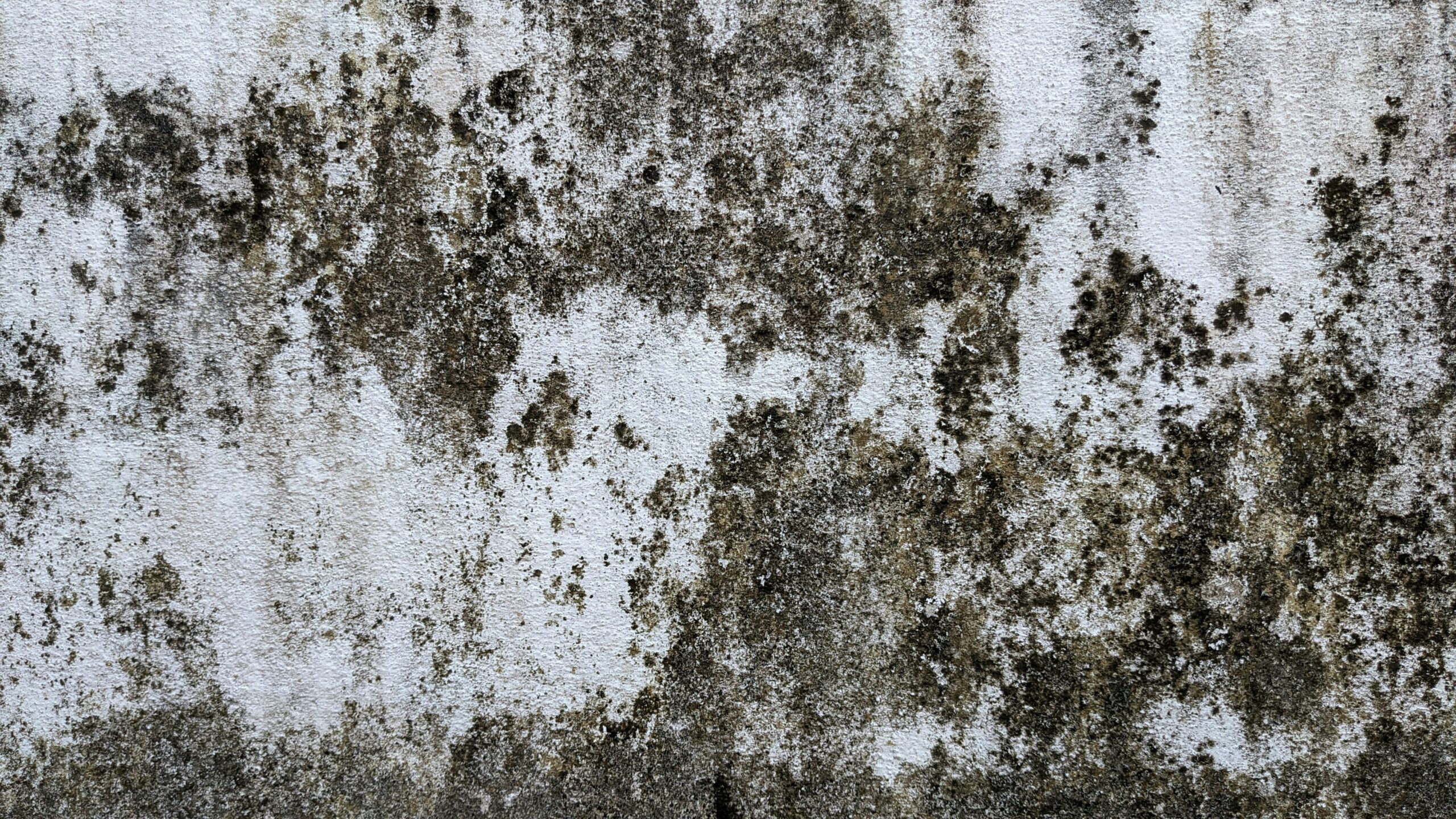
Bleach is only effective on hard, non porous surfaces. Unfortunately, mold almost never grows where bleach can reach. It hides and thrives inside:
- Drywall
- Wood
- Baseboards
- Cabinets
- Framing
- Subflooring
- HVAC systems
Here’s why bleach fails:
- It evaporates before soaking into porous materials
- It leaves mold roots intact
- It adds moisture that mold can feed on as it is nearly 90% water!
- In a damp or humid environment, bleach often makes the problem worse.
What Products Actually Kill Mold Effectively?
1. EPA Registered Mold Removers
These are lab tested and designed specifically for mold, bacteria, and spores. They soak into porous materials and help prevent regrowth.
2. Quaternary Ammonium Compounds ("Quats")
Trusted by restoration pros, these break down mold cell structures and stop spores from spreading.
3. Hydrogen Peroxide (3% to 12%)
More effective than bleach on organic surfaces. Peroxide bubbles and foams as it lifts mold from porous materials.
4. Professional Grade Antimicrobial Solutions
Used by licensed remediation companies like Entrusted, these products:
- Penetrate drywall and framing
- Neutralize mold colonies
- Inhibit regrowth long after treatment
DIY solutions can’t match the effectiveness of commercial grade products.
Natural Alternatives That Help (But Don't Fully Kill Mold)
1. Vinegar
Mildly acidic vinegar can help on tile or plastic but doesn’t penetrate porous material.
2. Baking Soda
Useful for deodorizing and slowing mold regrowth, but not killing it.
3. Tea Tree Oil
A powerful natural fungicide. It can help small patches but is pricey and limited in reach.
These are best for minor mold issues, not full remediation.
When DIY Mold Removal Is Safe And When It's Not
Safe DIY Cleaning For:
- Shower caulk or bathroom tile
- Small patches
- Non porous surfaces
Never DIY If You Have:
- Mold on drywall or wood
- HVAC system mold
- Flood related mold
- Musty odors or recurring mold
- Any mold over 10 sq. ft.
Florida Factor:
Florida’s high humidity means mold never fully dries on its own. DIY often fails because the moisture problem is never solved.
Why Mold Keeps Coming Back (And How to Stop It)
Surface cleaning only buys time. Real mold remediation solves the root cause: moisture.
Common Hidden Moisture Sources
- Leaky pipes
- Roof leaks
- AC condensation
- Floods that weren't fully dried
- Poor airflow and ventilation
How Professionals Remove Mold Permanently
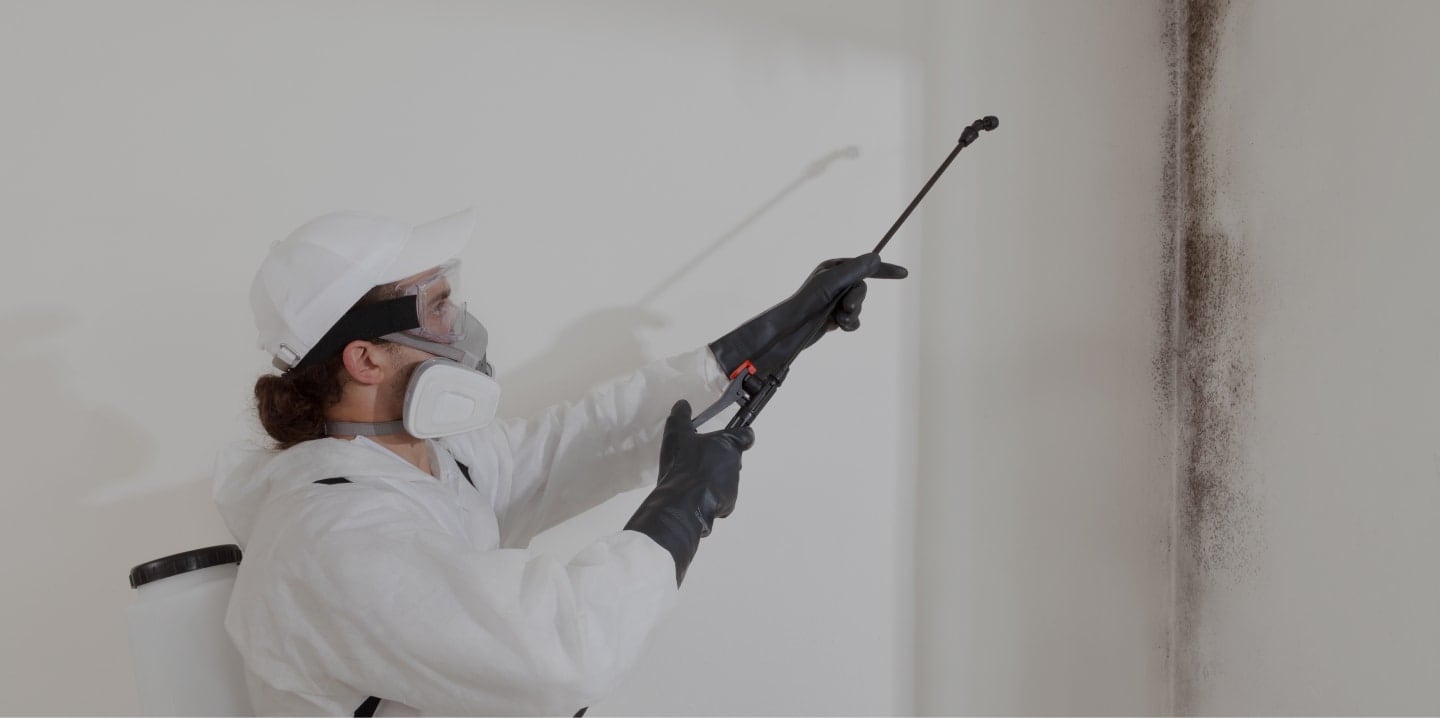
1. Containment
Seals off contaminated zones to stop the spread.
2. HEPA Air Filtration
Removes airborne spores during cleanup.
3. Root Level Material Removal
Damaged drywall, flooring, or framing may need to be cut out.
4. Antimicrobial Treatment
EPA registered products applied deep into materials.
5. Moisture Control
The most important step: fixing the source so mold doesn’t come back.
Explore our professional mold remediation services.
Florida’s Unique Mold Problems
Florida’s climate creates the perfect storm for mold. Here’s what makes it worse:
- High Humidity
Warm, wet air feeds mold colonies in walls and ceilings. - HVAC Condensation
Leads to mold growth in ducts, closets, and corners. - Storm & Flood Moisture
Rainwater can hide in materials for weeks, especially after hurricanes.
This is why Florida homes require thorough, moisture based mold removal.
Mold and Health: What the Experts Say
Prolonged exposure to mold isn’t just annoying, it can be hazardous to your health. Respiratory issues, allergies, and asthma can all worsen in moldy environments.
For more science-backed info on health effects and cleanup:
- CDC: Mold and Your Health
- EPA: Mold Cleanup and Moisture Control
- CDC NIOSH: Health Effects of Mold Exposure
These trusted government resources explain how mold impacts health and why professional cleanup matters.
Get a Professional Mold Inspection
If you’re dealing with mold that won’t go away or you’re unsure if your home is safe, Entrusted offers fast mold assessments in Tampa, Orlando, West Palm Beach, and Houston.
Schedule your inspection today and breathe easier tomorrow.
Call Entrusted 24/7 at [561-966-0765] or request help online.